
child abuse
-
The Cost of Silence: Why Institutions Protect Themselves Instead of Children

I didn’t grow up invisible. I went to school.I went to church.I smiled for pictures.I showed up. And yet, I was profoundly unprotected. By the time I was five years old, I was being exposed to pornography on a daily basis. Not once. Not accidentally. Not hidden. It was part of the environment I lived…
-
I Am the 1% the World Wants to Erase—But God Had Other Plans

-
🔦 Why the Silence?
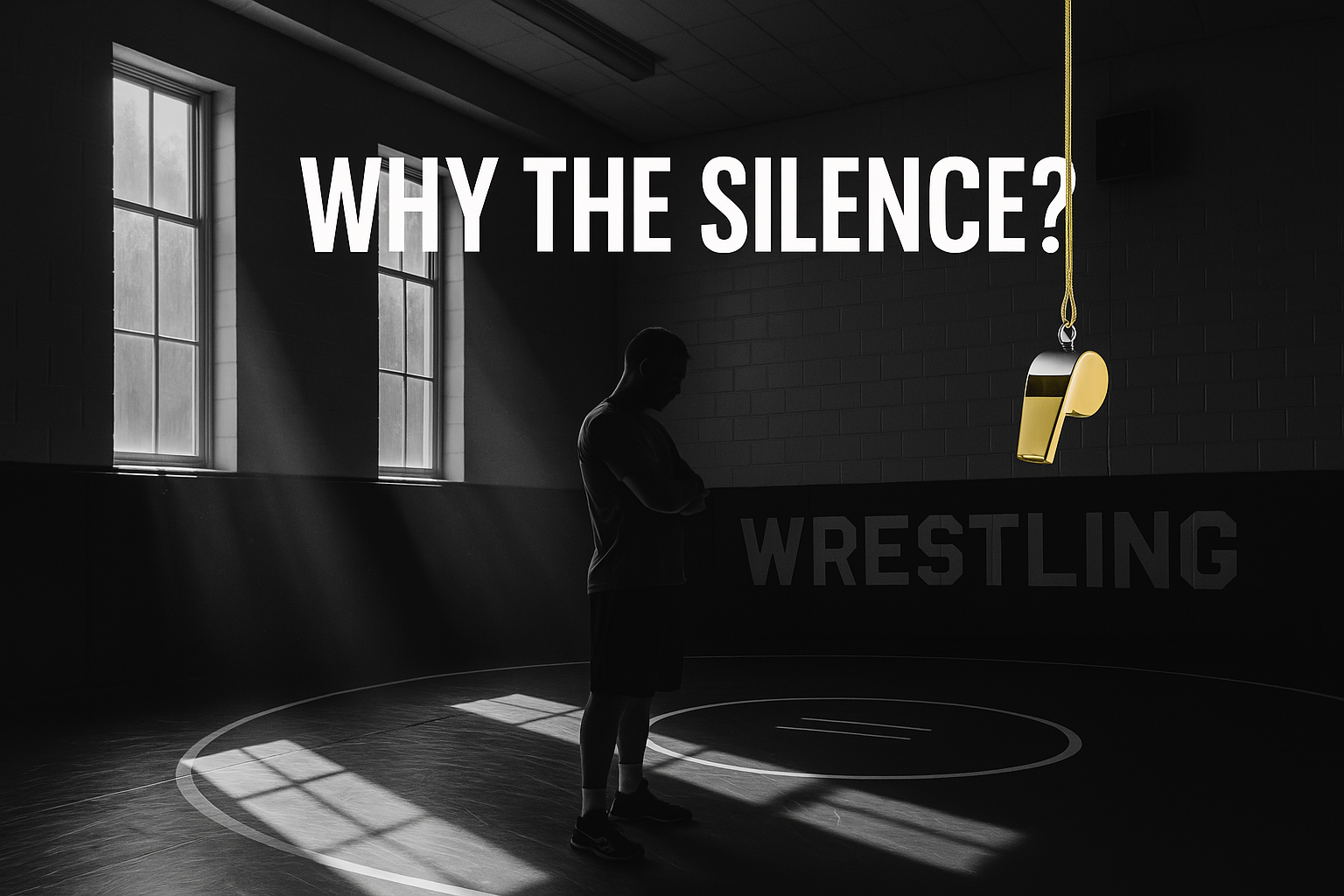
Two Clay County Cases. Two Very Different Responses. One Big Question: Why? As TheBoldAdvocate, I’ve made it my mission to protect children, expose darkness, and demand accountability from adults who should protect the vulnerable. But recent revelations in Clay County, Florida, compel us to ask: When someone is accused of harming a child, why does…
-
The Power of Awareness: Protecting and Rescuing Children Starts with Us

“A table for three.” I looked up at a man with salt and pepper hair, strong facial features with scruff on his face, and rough hands standing in front of the host stand. The two extremely young girls that were with him looked uneasy but excited. They were fidgeting and stumbling around in their wayyy…
-
Why Identifying Subtle Signs of Grooming is Crucial in Preventing Child Abuse

Identifying subtle signs of grooming is essential because grooming often precedes abuse, acting as the predator’s method of gaining trust and lowering the defenses of both the child and their caregivers. Recognizing these early warning signs enables timely intervention, which can prevent abuse before it occurs. 1. Grooming is a Gradual Process Predators use grooming…
-
How Community Partnerships Can Strengthen Advocacy Efforts

Advocacy is most effective when it is a collective effort. By building community partnerships, advocates can pool resources, amplify their voices, and create a stronger, united front to address issues like child protection, abuse prevention, and justice for survivors. Collaboration with schools, faithbased organizations, healthcare providers, law enforcement, and local businesses enhances advocacy efforts and…
-
How to Handle a Situation Where a Child Refuses to Disclose Further Details But Shows Clear Signs of Abuse

When a child shows clear signs of abuse but refuses to provide further details, it’s crucial to respond with sensitivity, patience, and adherence to appropriate protocols. Children may hesitate to disclose details due to fear, shame, loyalty to the abuser, or confusion. How you handle this situation can significantly impact the child’s sense of safety…
-
The Importance of Mandatory Reporting Laws in Responding to Suspected Abuse

Mandatory reporting laws are critical tools in the fight against child abuse and neglect. These laws require certain individuals, often those in positions of trust like teachers, healthcare providers, and social workers, to report any suspected cases of child abuse or neglect to authorities. By creating a legal obligation to act, mandatory reporting laws help…
-
How Societal Attitudes Impact Awareness of Child Exploitation

Societal attitudes play a significant role in shaping how child exploitation is perceived, acknowledged, and addressed. These attitudes can either raise awareness and lead to action or perpetuate ignorance and inaction. Let’s explore some key ways societal perspectives influence awareness: 1. Normalization of Harmful Behaviors In some communities, certain abusive behaviors may be normalized or…
-
How Understanding Grooming Improves Child Protection Efforts

Grooming is a calculated and manipulative process used by predators to gain a child’s trust, isolate them, and prepare them for exploitation. Recognizing grooming behaviors is critical for improving child protection efforts because it enables early intervention, disrupts abusive patterns, and empowers adults to safeguard vulnerable children. 1. Early Detection of AbuseUnderstanding grooming equips parents,…